



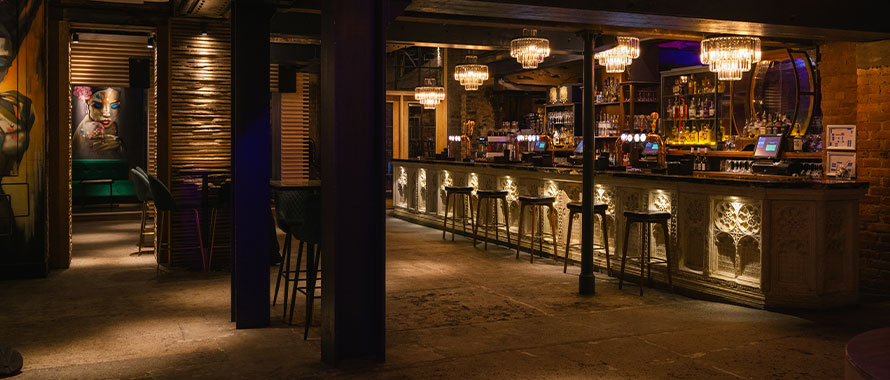
While the purchase of a drink and a packet of crisps by a customer once sufficed, this is no longer enough to generate the margins required in today’s hospitality industry. A new generation of themed and experience-led bars is creating novel underwriting considerations for carriers in the sector.
Destination and experience bars
In 2000, there were 60,800 pubs in the UK, according to figures from the British Beer and Pub Association. By 2024, that number had dropped to 45,000. While there is no suggestion that pubs will disappear from the UK’s hospitality sector, it is beyond doubt that consumers today are demanding more from the country’s bars.
Karaoke bars, which found their way into the UK hospitality scene in the late 1980s, were arguably one of the first themed bars in the country. They have since been joined on the high street by a whole host of themed options – and the experiences at the centre of these new ventures are as surprising as they are varied.
Axe throwing has established itself as a popular new entrant, alongside crazy golf and golf simulators, laser shooting ranges, table tennis and shuffleboard. In many establishments, the entire venue is centred around the activity in question.
Part-time crews, full time liabilities
When it comes to managing unusual activity risks within a hospitality environment, it is relatively easy to create processes and protocols that help to keep everyone safe. The difficulty comes in making sure they are followed consistently by every member of staff during their daily activities.
The transient nature of staff in the hospitality sector makes it difficult for bar owners and operators to ensure employees are working to consistent standards, as they may lack experience, lack detailed knowledge of the company’s systems and processes or be less invested in the company culture. Students, for example, tend to work flexible hours to suit their academic timetables then leave the industry upon graduation.
In other words, many bar workers are not long-term hospitality professionals, but rather people working on a part-time basis or for a restricted period of time. This has the potential to pose a problem when seeking cover for venues in which customers are swinging golf clubs or throwing axes.
Managing hospitality industry risk
The UK insurance market is highly adept at catering for and covering non-standard risks and potentially hazardous activities within the hospitality sector are no different. The more detail contained in a risk presentation, the easier it is to attract multiple markets to offer cover. Such detail should include how alcohol consumption is managed, any hazardous activities occurring on the premises and how safety restrictions are enforced. Do customers sign waivers when they make their booking or arrive at the location? What wording has been used in these waivers and what liabilities do they cover?
There should be a detailed and ongoing training programme in place, a formal method of recording any incidents and a means of assessing what went wrong and implementing subsequent improvements. Has this programme and its wider operational framework been explained and evidenced in the risk presentation?
The increased risk and ongoing trend towards litigation in the event of an accident have also put upward pressure on public indemnity limits. Requests for limits of £10m rather than the previous standard of £5m are becoming more common, particularly where higher-risk activities with an increased chance of catastrophic injury are on offer.
Catering for these limits and providing cover for hazardous activities within the hospitality sector is not beyond the bounds of the insurance market. Indeed, the willingness to do so is demonstrative of the prevailing soft market and ready availability of capacity. But securing the best rates and the widest covers still relies on submitting detailed risk presentations that evidence how such exposures are being managed.
Themed bars are here to stay
Data from the British Beer and Pub Association shows that since 2019, pubs have had to deal with combined cost increases of approximately 38% across food, drink, energy, labour and packaging. In the face of these financial pressures, the hospitality sector may have to continue to evolve its proposition to attract footfall and generate new revenue streams. This could be good news for the specialist insurance markets positioned to assess, price and cover these risks appropriately – and for those who enjoy axe throwing while out for a drink.